
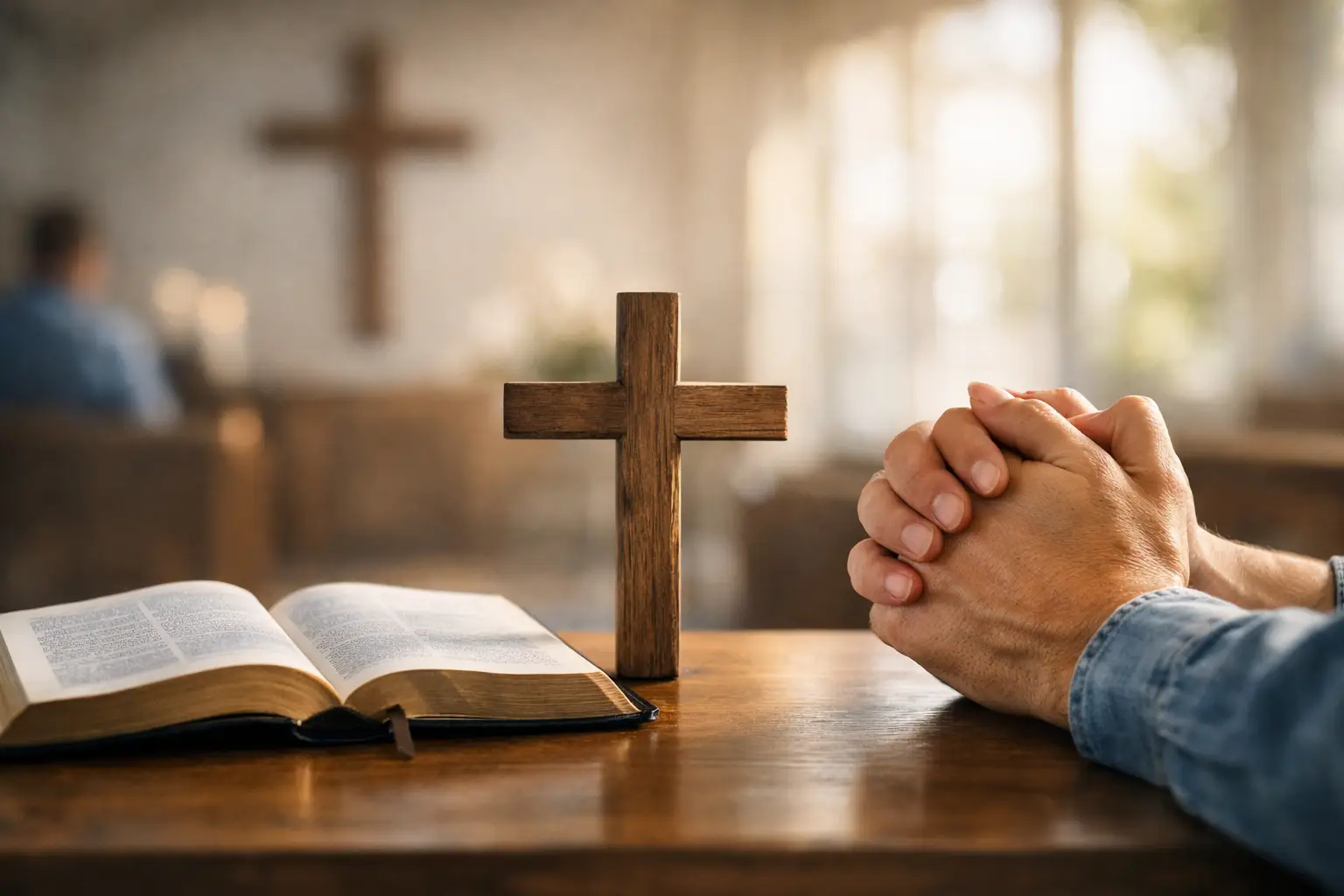
For someone searching grace church beliefs explained, the question is often personal. You may be looking for a church home, returning to faith after time away, or wanting to understand whether a community’s beliefs will help you know Jesus more deeply. Clear beliefs matter because they shape how a church worships, welcomes people, cares for one another and lives faithfully through ordinary life.
At the heart of a grace-centred Christian community is good news: God’s love is not something we earn. In Jesus Christ, God meets us with forgiveness, healing, purpose and a place to belong. Christian faith is not a project of becoming worthy enough for God. It is a response to the God who has already drawn near to us.
Grace church beliefs explained: grace at the centre
Grace means God’s freely given love and favour. It speaks of God’s initiative toward humanity, made known most clearly in Jesus. We are invited to receive this gift with faith, not to carry the exhausting burden of proving ourselves through religious performance.
This does not make our choices unimportant. Grace changes the reason we seek to live well. We do not serve, pray, forgive or grow in character to secure God’s acceptance. We do these things because, in Christ, we are welcomed into a relationship with God that reshapes us from the inside out.
A grace-centred church therefore aims to be a place where people can be honest. There is room to bring questions, grief, hope and the unfinished parts of life before God. No congregation is perfect, and discipleship takes time. Yet the church can become a community where people encourage one another to trust Jesus and grow in his likeness.
Grace is received and lived
The Christian life includes a real response. Trust in Jesus leads us towards worship, prayer, learning from Scripture, reconciliation and service. These are not cold obligations. They are practices through which we learn to live in the love God has given us.
Sometimes spiritual growth feels encouraging and clear. At other times, it may feel slow or marked by uncertainty. Grace gives us confidence that God remains faithful in both seasons. We keep turning towards him, trusting that the Holy Spirit is at work in us and among us.
A Trinitarian understanding of God
Grace Communion International Australia affirms the historic Christian confession of one God: Father, Son and Holy Spirit. This Trinitarian understanding is not an abstract idea reserved for theologians. It tells us that God is eternally loving, relational and self-giving.
The Father is known through the Son, Jesus Christ. Jesus reveals God’s heart and brings us into relationship with the Father. The Holy Spirit makes God’s presence real in the lives of believers, forming faith, producing spiritual fruit and drawing the church together in love.
Christians do not worship three separate gods. We worship one God, who is Father, Son and Holy Spirit. This faith helps us understand that relationship is not an optional extra in Christian life. Because God is love, we are called into loving relationship with God and with one another.
That has practical implications in a local church. We learn to listen, to make room for others, to offer forgiveness and to use our gifts for the good of the community. Christian hospitality is more than a friendly greeting at the door. It is a shared way of life that reflects God’s welcome.
Jesus Christ at the heart of faith
Christian belief centres on Jesus Christ. He is the one through whom we see God’s character most clearly. In his life, teaching, compassion, death and resurrection, Jesus reveals both the seriousness of human brokenness and the depth of God’s redeeming love.
Through Jesus, people are invited into reconciliation with God. His cross speaks of God’s love reaching into sin and suffering rather than standing at a distance from them. His resurrection gives Christian hope its foundation: death and darkness do not have the final word.
Trusting Jesus is more than agreeing with a set of ideas. It is placing our lives in his care and learning to follow him. For some, that begins with a simple prayer and a first step towards church community. For others, it means renewing a long-held faith through worship, conversation and a fresh awareness of God’s grace.
Following Jesus also shapes the way we see our neighbours. His love moves us beyond self-interest and teaches us to serve with humility. In a healthy church community, this may be expressed through practical care, prayer, encouragement and a willingness to stand alongside one another through life’s changing circumstances.
Scripture, worship and a life of prayer
The Bible is central to Christian teaching and discipleship. It tells the story of God’s faithful love, points us to Jesus and helps form the church in wisdom and hope. Reading Scripture is not simply about finding quick answers to every question. It is about learning to hear God’s voice, understand his ways and let the gospel shape our lives.
Church worship brings this shared faith into focus. When people gather to pray, sing, hear biblical teaching and share fellowship, they are reminded that they belong to something larger than themselves. Worship turns our attention towards God, who meets us with grace and sends us into the week with renewed hope.
The form of a worship gathering may vary from one local congregation to another. Some communities may have a quieter, familiar rhythm; others may have a different musical or cultural expression. What matters most is that worship remains centred on Jesus, grounded in Scripture and open to the leading of the Holy Spirit.
Prayer also belongs to everyday faith, not only to Sunday gatherings. People pray in moments of gratitude, confusion, decision, loss and joy. There is no need for polished words. Prayer is the honest turning of the heart towards the God who knows us and cares for us.
Belonging, discipleship and spiritual growth
A Christian church community is a people called together by Jesus. It is not merely a service to attend or a building to visit. It is a shared life of learning, worshipping and serving, where people of different backgrounds can grow as disciples of Christ.
Belonging does not mean everyone has the same personality, experience or pace of growth. It means each person is received as someone loved by God. A church can offer space to ask sincere questions, to learn the foundations of faith and to find encouragement for the next faithful step.
Discipleship is the lifelong process of becoming more like Jesus. It happens through biblical teaching, prayer, worship, friendship and opportunities to serve. It also happens around tables, in conversations after a gathering, and in the quiet choices people make at home, at work and in their neighbourhoods.
There is a helpful balance here. Faith is personal, but it is not meant to be isolated. We each respond to God personally, while also receiving support and wisdom from the body of Christ. Community cannot remove every difficulty, but it can remind us that we do not have to carry life’s burdens alone.
Faith, hope and everyday life
Grace-centred faith speaks into Monday morning as much as Sunday worship. It shapes how we approach family relationships, work, study, friendship, disappointment and decisions about the future. Christians are not promised an easy path, but they are invited to live with hope because God is present and faithful.
This hope is not denial. It makes room for lament, questions and times when life feels uncertain. The church can be a place where people pray honestly, receive pastoral care and remember God’s promises together. In both celebration and hardship, Jesus remains the centre of Christian confidence.
Service is one natural expression of this hope. Christians are called to notice others, offer compassion and participate in God’s work of love in the world. Service may be visible or quiet. It may involve organised ministry, a meal shared, a prayer offered, a patient conversation or help given when someone needs it.
Finding your place in local church life
If you are considering a local congregation, it is reasonable to take time to listen and discern. Attend a worship gathering, meet people, ask how the community approaches Scripture, prayer and discipleship, and notice whether the welcome feels genuine. A church should point beyond itself to Jesus Christ.
You do not need to have every question resolved before you come. Faith often grows through participation: hearing the gospel, joining in worship, receiving prayer and building relationships over time. Whether you are exploring Christianity or looking for a renewed sense of belonging, you are welcome to take one unhurried step.
May you find a Christian community where grace is not merely spoken about, but practised – where Jesus is trusted, people are welcomed, and everyday life is met with faith, hope and love.