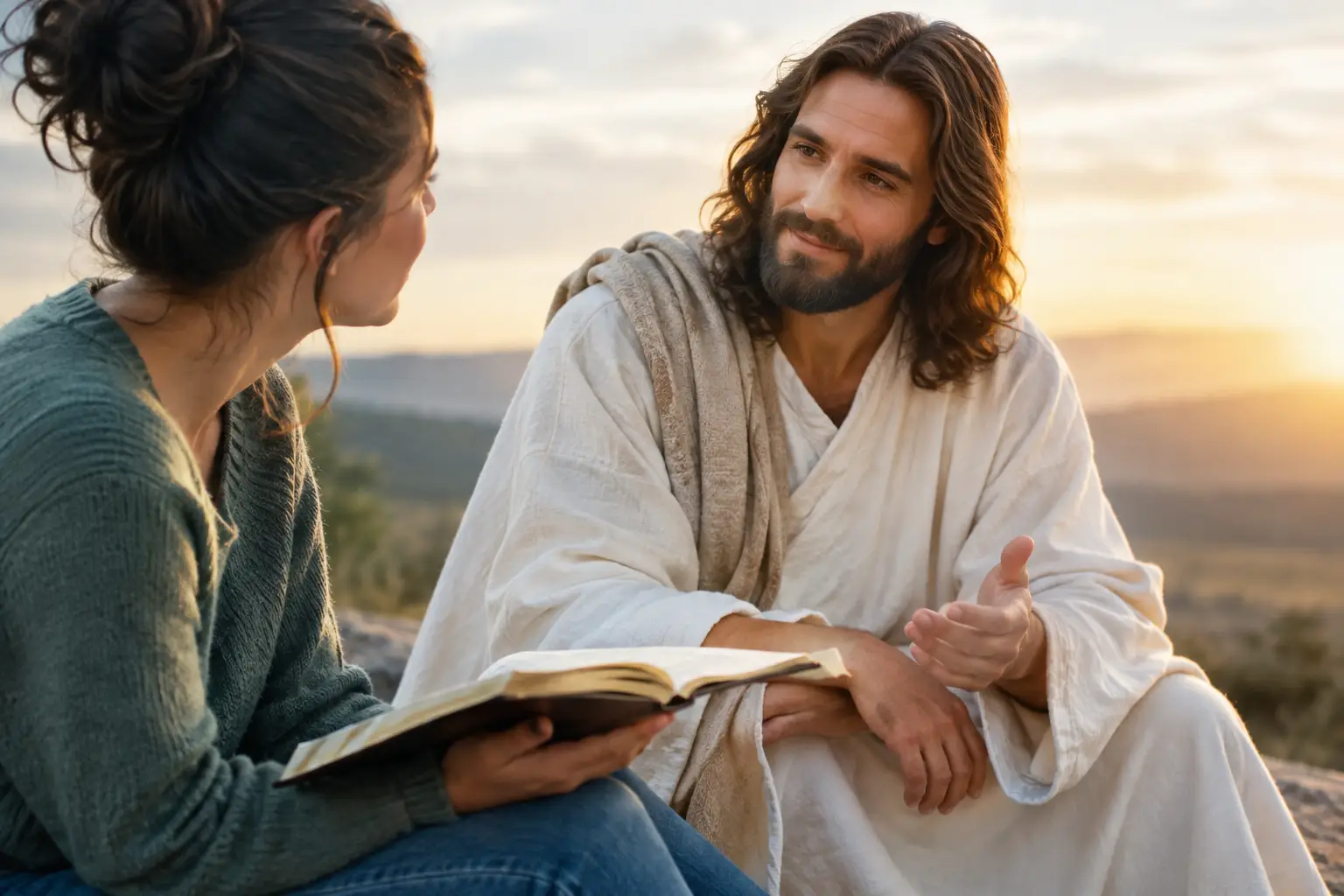

A church community is more than a gathering people attend when the week allows. It is a people called together by Jesus Christ: learning to receive his grace, worship the Father through the Son, and share life in the Holy Spirit. The biblical church community benefits are therefore not simply social or practical, though they are often deeply practical. They grow from belonging to Christ and, through him, belonging to one another.
For many Australians, the desire for community sits alongside busy schedules, changing seasons and a longing for faith that speaks to ordinary life. A local church offers a place to bring both confidence and questions. It can become a steady setting where people are known, encouraged and formed as disciples of Jesus.
What is a Christian church community?
The New Testament describes the church as the body of Christ. This image gives every believer dignity and purpose. Jesus is the head, and his people are joined to him and to each other. No one is asked to earn a place by having a perfect past, a polished faith or all the answers. We come because God has welcomed us in Christ.
A Christian church community gathers around the gospel. It hears Scripture, prays, sings, shares fellowship and serves. It is not built on everyone having the same personality, background or life experience. Rather, it is a community learning to love as Christ has loved us.
This is why local church life matters. Online teaching and personal Bible reading can be genuine helps, but they do not fully replace worshipping, praying and growing alongside other believers. Faith has a personal response, yet it was never meant to be carried alone.
Biblical church community benefits that shape us
Worship recentres the heart on God
Weekly worship gives believers a faithful rhythm. Amid work demands, responsibilities at home, uncertainty and weariness, gathering with others reminds us who God is and who we are in him. We are not held together by our productivity or circumstances. We are held by the Father’s love, revealed in Jesus Christ and made real to us by the Spirit.
When the church worships, people hear the good news again: God has acted first in grace. Songs, prayer, Scripture and the shared attention of the congregation can turn our eyes from self-reliance towards trust. This does not make life instantly easy, but it places our joys and burdens in the presence of God.
Belonging makes room for honesty
A healthy church is not a place where people perform strength. It is a place where grace makes honesty possible. There are seasons when a person needs encouragement, a listening ear or prayer. There are also seasons when they can offer these gifts to someone else.
Biblical community helps us remember that being known is different from merely being noticed. A warm greeting matters, but enduring fellowship grows as people share meals, conversations, prayer and everyday concerns over time. Trust cannot be rushed. It develops through consistent care, respectful boundaries and the willingness to show up for one another.
Not every congregation will feel familiar on the first visit, and not every friendship will develop in the same way. That is normal. The aim is not instant closeness but a genuine culture of welcome, where people have room to become part of the life of the church.
Discipleship is learned with others
Jesus formed disciples in community. His followers listened, asked questions, misunderstood, received correction and gradually learned to trust him more deeply. We still need that patient process.
Biblical teaching helps us understand the story of God’s grace and apply it to our decisions, relationships and hopes. Yet teaching becomes especially fruitful when it is accompanied by conversation and example. In a church community, believers can reflect together on what it means to forgive, pray, serve, persevere and live with hope.
This kind of discipleship is not about measuring who appears most spiritually mature. It is about becoming more like Christ through the Spirit’s patient work. Mature believers can encourage newer believers, while fresh questions can help everyone return to the heart of the gospel. We all remain learners before Jesus.
Prayer carries burdens we cannot carry alone
There are times when words come easily, and times when prayer feels difficult. The gift of a praying community is that others can stand with us when we are weary or unsure what to say. They can give thanks with us in joyful seasons and ask God for mercy, wisdom and peace in hard ones.
Prayer also teaches humility. It reminds us that God is present and active, and that the church depends on him rather than its own energy. As a congregation prays, people learn to bring the whole of life before God: work, health, relationships, decisions, grief, gratitude and the needs of their neighbourhood.
Service gives faith a shared expression
Church community is not only about receiving care. In Christ, each person is invited to participate in the life and service of the body. Some welcome newcomers, some prepare a space for worship, some offer practical help, and some quietly pray. These different acts of service are not competing roles. Together, they reflect the generous love of God.
Serving alongside others can deepen friendship and reveal gifts we may not have recognised. It also directs attention beyond ourselves. Christian hospitality is more than flawless hosting or a full calendar. It is the simple, faithful practice of making room for people because God has made room for us.
Service needs wisdom. People have different capacities, and a demanding season may call for rest rather than another commitment. Grace-centred community does not pressure people to prove their value by staying busy. It invites willing participation while honouring the limits and responsibilities people carry.
A Trinitarian understanding of belonging
Christian community is grounded in the life of the Triune God. The Father sends the Son in love. The Son brings us into fellowship with the Father. The Holy Spirit unites believers to Christ and forms them into a people marked by his love.
This means church belonging is more than joining an organisation or finding people with similar interests. It is a gift of participation in the communion God gives through Christ. The church does not create this grace. It receives and reflects it.
That truth shapes the way we treat one another. We can practise patience because God has been patient with us. We can offer forgiveness because we have received forgiveness. We can welcome others without fear because our identity rests in Jesus. These practices are not always easy, and communities sometimes need humility, repentance and reconciliation. But grace gives us a reason to keep seeking peace.
Finding a community where you can grow
If you are exploring church, returning after time away or seeking a new congregation, begin with a simple step: visit a local worship gathering. Notice whether the good news of Jesus is clearly shared, whether Scripture is treated with care, and whether people are welcomed with sincerity.
It can also help to ask how the church encourages prayer, discipleship, fellowship and service. A church home need not be impressive in every outward way. What matters is a growing faithfulness to Christ and a community where people are encouraged to know him more deeply.
Give the process time. Attend more than once, speak with a leader or member, and allow space to discern whether this is a place where you can both receive care and share in the life of the body. Grace Communion International Australia seeks to be such a grace-filled, Christ-centred community: a place for worship, belonging and growth.
The Christian life includes private prayer and personal trust, but it also has a shared table, shared songs and shared hope. Wherever you are in your journey, consider taking one gentle step towards local church life. You may find that, as you make room to know others in Christ, God is also reminding you that there is room for you.